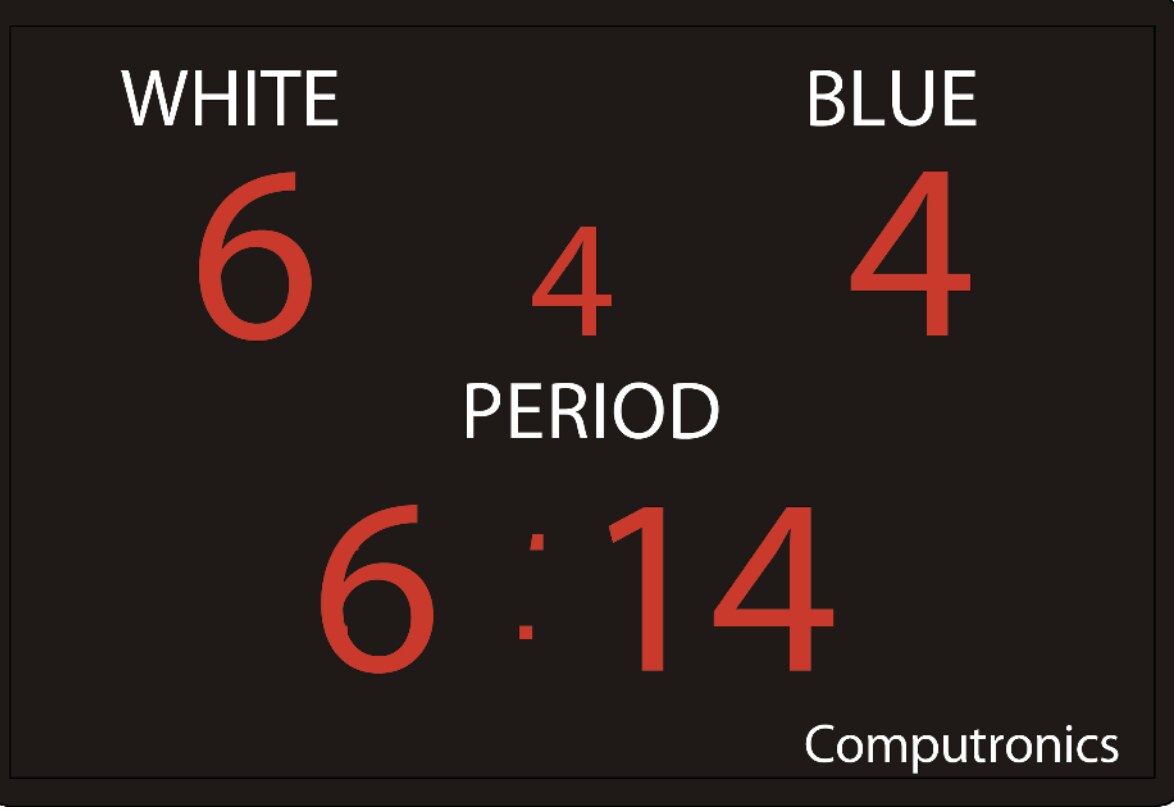
You've been rostered on table duty. Someone's handed you a clock console with a few too many buttons, a game's about to start, and there's a small voice in your head going "what if I get it wrong in front of everyone?"
Breathe. Every water polo parent has stood exactly where you are, and every one of them worked it out. Running the clock is one of those things that sounds harder than it is. Here's everything you need to feel confident before your first game.
First things first: what you're actually doing
Every water polo match needs table officials, and each team supplies one. Together you'll cover two roles — the Secretary (who keeps the score sheet) and the Timekeeper (who runs the clock). This guide is about the clock.
There are two clocks to know about:
The game clock. This is the big one — it counts down the time left in the quarter. When it hits zero, the quarter's over. Your main job is starting and stopping it at the right moments.
The shot clock (possession clock). This counts how long a team can hold the ball before they have to shoot. When it runs out, possession turns over.
Our junior age groups run slightly different rules. Younger grades often don't use a shot clock at all — you're only running the game clock — while older juniors and seniors do. Check the rules for the age group you're doing before the game starts.
The one rule that makes it all click
Here's the whole job in a sentence:
When the referee's whistle blows, the clock stops. When the ball is live and in play, the clock runs.
That's genuinely 90% of it. The referee is in charge — you're following their whistle. You're not making judgement calls about the game; you're reacting to the ref. That takes all the pressure off.
The moments that matter
At the start of each quarter. The players line up on the goal lines. The referee starts play, and the moment a player first touches the ball, you start the game clock. (Not when the ref blows to start — when the ball is actually touched.)
When the whistle blows for a foul. Stop the game clock. Wait. When the player puts the ball back into play, start it again.
Here's the one that trips people up: don't run the clock while a player is swimming across to fetch the ball for a free throw. The clock only restarts when the ball is genuinely put back into play — not while someone's paddling over to it. When in doubt, watch the ref's hand.
When a goal is scored. Stop the clock. It stays stopped while the teams reset to their halves. It restarts when play resumes from the halfway line and the ball is put in play.
When a timeout is called. The referee makes a "T" shape. Stop the clock. A timeout is one minute. Restart when play resumes.
At the end of the quarter. When the game clock hits zero, the quarter ends — most consoles sound a buzzer automatically, but check yours, and be ready to call "time" clearly if it doesn't.
Before the game starts: your two-minute checklist
- Get to the table 10 minutes early so you're not rushing.
- Find the other team's table official and introduce yourself — you're a team for the next hour.
- Ask a coach or an experienced parent to point out the stop/start and reset buttons on your specific console before the whistle. Consoles differ between venues, and there's no shame in a 30-second orientation.
- Confirm the quarter length and shot-clock rules for the age group you're doing — they change between junior grades and seniors.
If you make a mistake
You will, at some point, start the clock a second late or stop it a beat early. It's fine. The referee can correct the clock, and at junior level everyone understands that table duty is run by volunteers, not professionals. A quick "sorry ref, can we adjust?" is completely normal. Nobody's keeping score of your performance — they're watching the kids.
Want to feel like a pro?
Water Polo Australia runs a free online Table Officials course through their Learning Centre. It takes an hour or so, walks you through every situation, and gives you a basic accreditation. If you're going to be doing table duty regularly — or heading to the Australian Youth Championships, where accreditation is required — it's genuinely worth doing. Search "Water Polo Australia Table Officials course" or ask our registrar for the link.
The bottom line
Table duty keeps our club running. Every game needs it, and the more parents who can confidently run the clock, the lighter the load on everyone. It looks intimidating from the pool deck, but from the chair it's just: watch the ref, follow the whistle, stop and start the clock.
You've got this. 🌊
Rostered on and still nervous?
Grab any committee member or experienced parent before your game — we're always happy to sit with you for your first one.
Get Involved with New Wave →